
Tinggalkan pesan
Jika Anda tertarik dengan produk kami dan ingin mengetahui detail lebih lanjut, silakan tinggalkan pesan di sini, kami akan membalas Anda sesegera mungkin.



Prinsip Kerja dan Aplikasi RFID: Memungkinkan Identifikasi dan Pelacakan Cerdas di Berbagai Industri
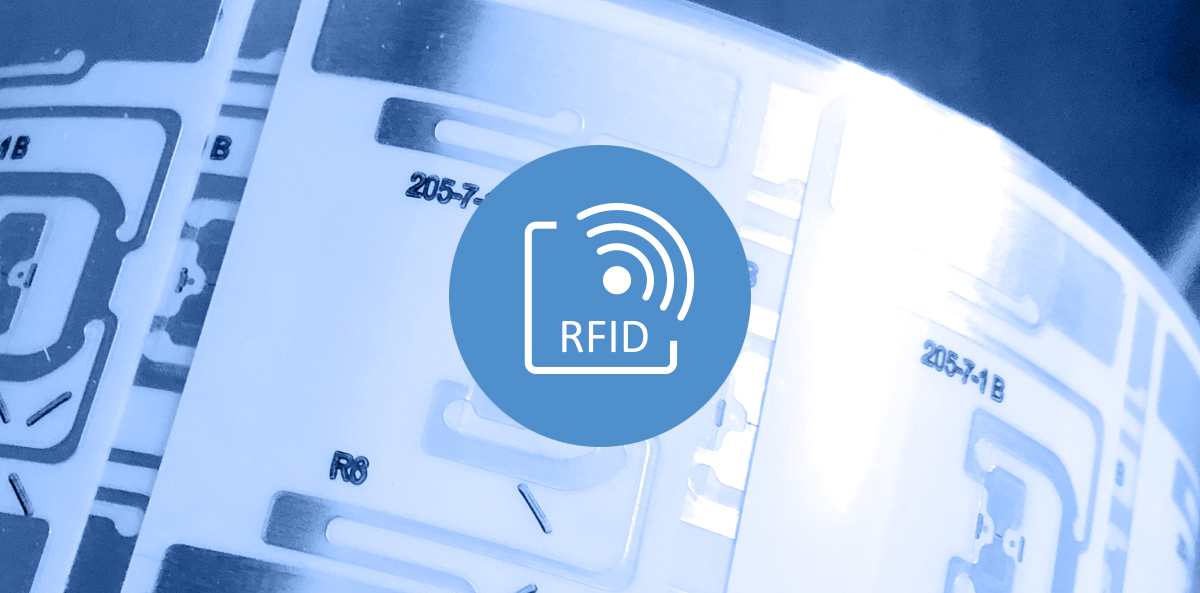
Prinsip Kerja dan Aplikasi RFID
Identifikasi Frekuensi Radio (RFID) adalah teknologi nirkabel yang menggunakan gelombang radio untuk mengidentifikasi, melacak, dan mengelola objek, hewan, atau manusia secara otomatis. Selama dua dekade terakhir, RFID telah berkembang dari teknologi khusus menjadi komponen penting transformasi digital di berbagai industri. Mulai dari manajemen inventaris ritel dan pelacakan logistik hingga perawatan kesehatan, pertanian, dan kota pintar, RFID memungkinkan organisasi untuk meningkatkan visibilitas, efisiensi, dan akurasi sekaligus mengurangi biaya tenaga kerja dan kesalahan manusia.
RFID adalah singkatan dari Radio Frequency Identification. Ini adalah teknologi yang memungkinkan data yang tersimpan pada tag untuk ditransmisikan secara nirkabel ke pembaca tanpa memerlukan kontak langsung atau garis pandang yang jelas. Tidak seperti barcode tradisional, tag RFID dapat dibaca dari jarak jauh dan beberapa tag dapat dipindai secara bersamaan.
Sistem RFID pada umumnya terdiri dari tiga komponen utama:
Tag RFID
Pembaca RFID
Perangkat Lunak Backend atau Basis Data
Tag RFID berisi mikrochip dan antena. Mikrochip menyimpan informasi seperti nomor identifikasi unik, sedangkan antena memungkinkan komunikasi dengan pembaca. Pembaca RFID memancarkan sinyal frekuensi radio yang mengaktifkan tag dan menerima data yang dikirimkannya. Informasi yang dikumpulkan kemudian diproses dan disimpan oleh sistem perangkat lunak untuk pemantauan dan analisis.
Prinsip kerja RFID didasarkan pada medan elektromagnetik dan komunikasi frekuensi radio.
Ketika pembaca RFID memancarkan gelombang radio melalui antenanya, gelombang ini menciptakan medan elektromagnetik. Ketika tag RFID memasuki medan ini, tag tersebut merespons dengan mengirimkan kembali informasi yang tersimpan di dalamnya ke pembaca.
Prosesnya secara umum mengikuti langkah-langkah berikut:
Pembaca RFID terus-menerus memancarkan sinyal frekuensi radio melalui antenanya. Sinyal-sinyal ini menciptakan zona pembacaan di mana tag RFID dapat dideteksi.
Untuk tag RFID pasif, energi yang dipancarkan oleh pembaca memberi daya pada mikrochip tag. Karena tag pasif tidak memiliki baterai sendiri, tag tersebut sepenuhnya bergantung pada medan elektromagnetik pembaca untuk beroperasi.
Sebaliknya, tag RFID aktif memiliki baterai internal dan dapat mengirimkan sinyal secara independen dalam jarak yang lebih jauh.
Setelah diaktifkan, tag RFID mengirimkan data yang tersimpan kembali ke pembaca. Data ini dapat mencakup:
Nomor identifikasi produk
Informasi aset
Data lokasi
Detail manufaktur
Informasi otentikasi
Pembaca RFID menerima data tag dan meneruskannya ke perangkat lunak backend atau sistem perusahaan. Informasi tersebut kemudian dapat digunakan untuk manajemen inventaris, pelacakan, otentikasi, analitik, dan pengambilan keputusan.
Tag RFID umumnya diklasifikasikan menjadi tiga kategori:
Tag pasif tidak memiliki sumber daya internal. Tag ini menerima energi dari sinyal pembaca dan banyak digunakan karena biayanya yang rendah dan masa pakainya yang lama.
Keuntungannya meliputi:
Biaya rendah
Ukuran kecil
Masa pakai operasional yang lama
Perawatan minimal
Aplikasi umum meliputi inventaris ritel, manajemen perpustakaan, dan pelacakan aset.
Tag aktif berisi baterai yang memberi daya pada chip dan transmisi sinyal.
Keuntungannya meliputi:
Rentang bacaan yang panjang
Kemampuan pelacakan waktu nyata
Kapasitas penyimpanan data yang lebih tinggi
Aplikasi umum meliputi pelacakan kendaraan, pemantauan kontainer, dan operasi industri berskala besar.
Tag semi-pasif menggunakan baterai untuk memberi daya pada chip tetapi bergantung pada pembaca untuk komunikasi.
Tag-tag ini menawarkan keseimbangan antara teknologi RFID pasif dan aktif dan sering digunakan dalam pemantauan lingkungan dan logistik rantai dingin.
Sistem RFID beroperasi pada frekuensi yang berbeda tergantung pada kebutuhan aplikasi.
Rentang frekuensi: sekitar 125–134 kHz
Karakteristik:
Jarak baca yang pendek
Performa yang kuat di dekat cairan dan logam
Keandalan tinggi
Aplikasi:
Identifikasi hewan
Kontrol akses
Penghenti kendaraan
Rentang frekuensi: 13,56 MHz
Karakteristik:
Jarak baca sedang
Kecepatan transfer data yang baik
Mendukung Near Field Communication (NFC)
Aplikasi:
Kartu pintar
Tiket elektronik
Manajemen perpustakaan
Pembayaran seluler
Rentang frekuensi: 860–960 MHz
Karakteristik:
Jarak baca yang jauh
Kecepatan membaca yang cepat
Pembacaan multi-tag secara simultan
Aplikasi:
Manajemen gudang
Persediaan ritel
Pelacakan rantai pasokan
Manajemen aset
RFID menawarkan beberapa keunggulan dibandingkan teknologi identifikasi tradisional.
RFID memungkinkan pengumpulan data yang cepat dan otomatis. Ratusan tag dapat dibaca secara bersamaan tanpa pemindaian manual, sehingga secara signifikan mengurangi kebutuhan tenaga kerja.
Kesalahan manusia yang terkait dengan entri data manual dan pemindaian kode batang diminimalkan. Hal ini menghasilkan catatan inventaris dan data operasional yang lebih andal.
Organisasi dapat memantau lokasi dan status aset, produk, dan peralatan secara real-time, sehingga meningkatkan transparansi operasional.
Tag RFID dapat menyimpan informasi terenkripsi dan pengidentifikasi unik, sehingga mempersulit pemalsuan dan akses tanpa izin.
Meskipun investasi awal mungkin lebih tinggi daripada sistem barcode, RFID seringkali memberikan penghematan biaya jangka panjang melalui peningkatan efisiensi dan pengurangan kerugian.
Peritel menggunakan RFID untuk mencapai visibilitas inventaris yang akurat dan meningkatkan manajemen stok. RFID memungkinkan penghitungan stok otomatis, pemantauan rak, dan pencegahan pencurian.
Peritel besar telah mengadopsi RFID untuk meningkatkan akurasi inventaris dan meningkatkan kepuasan pelanggan melalui ketersediaan produk yang lebih baik.
RFID memungkinkan perusahaan untuk melacak barang dari fasilitas manufaktur ke pusat distribusi dan tujuan akhir.
Manfaatnya meliputi:
Penerimaan dan pengiriman lebih cepat
Akurasi pengiriman yang lebih baik
Mengurangi selisih persediaan
Peningkatan transparansi rantai pasokan
Rumah sakit menggunakan RFID untuk melacak peralatan medis, obat-obatan, dan informasi pasien.
Aplikasi meliputi:
Identifikasi pasien
Pelacakan aset medis
Manajemen farmasi
Pelacakan instrumen bedah
Aplikasi-aplikasi ini meningkatkan keselamatan pasien sekaligus mengurangi inefisiensi operasional.
Tag telinga RFID dan transponder suntik banyak digunakan dalam manajemen peternakan.
Petani dapat melacak:
Identitas hewan
Catatan vaksinasi
Status kesehatan
Sejarah perkembangbiakan
Catatan pergerakan
Hal ini meningkatkan pengendalian penyakit, ketelusuran, dan produktivitas pertanian.
Perpustakaan menggunakan RFID untuk mengotomatiskan peminjaman, pengembalian, dan pengecekan inventaris buku.
Manfaatnya meliputi:
Peminjaman swalayan
Audit inventaris yang lebih cepat
Pengurangan kebutuhan staf
Pengalaman pengguna yang ditingkatkan
Para produsen menggunakan RFID untuk memantau proses produksi dan meningkatkan kemampuan pelacakan.
RFID membantu melacak:
Bahan baku
Barang yang masih dalam proses pengerjaan
Produk jadi
Peralatan produksi
Hal ini memungkinkan kontrol kualitas yang lebih baik dan optimalisasi proses.
Organisasi menggunakan RFID untuk mengelola aset berharga seperti komputer, peralatan, mesin, dan kendaraan.
Visibilitas aset secara real-time membantu mengurangi kehilangan, pencurian, dan pembelian yang tidak perlu sekaligus meningkatkan pemanfaatan aset.
RFID memainkan peran penting dalam sistem transportasi modern.
Aplikasi meliputi:
Pengumpulan tol elektronik
Tiket transportasi umum
Pengelolaan parkir
Identifikasi kendaraan
Solusi-solusi ini meningkatkan kelancaran lalu lintas dan efisiensi operasional.
Seiring dengan perkembangan Internet of Things (IoT), kecerdasan buatan, dan komputasi awan, teknologi RFID menjadi semakin cerdas dan saling terhubung.
Tren masa depan meliputi:
Integrasi dengan platform IoT
Analisis waktu nyata dan pemeliharaan prediktif
Gudang pintar dan logistik otonom
Paspor produk digital
Inisiatif peningkatan keberlanjutan dan ekonomi sirkular
Kombinasi RFID dengan sensor, sistem cloud, dan analitik data akan memberikan visibilitas dan otomatisasi yang lebih besar di berbagai industri.
Teknologi RFID telah mengubah cara organisasi mengidentifikasi, melacak, dan mengelola aset, produk, dan orang. Dengan menggunakan komunikasi frekuensi radio, RFID memungkinkan pengumpulan data yang cepat, akurat, dan otomatis tanpa kontak langsung atau persyaratan garis pandang. Keunggulannya dalam efisiensi, visibilitas, dan keamanan telah menjadikannya alat yang berharga di berbagai sektor, termasuk ritel, logistik, perawatan kesehatan, manufaktur, pertanian, dan banyak sektor lainnya.
Seiring percepatan transformasi digital di seluruh dunia, RFID akan terus memainkan peran penting dalam membangun operasi bisnis yang lebih cerdas, lebih terhubung, dan lebih efisien. Organisasi yang merangkul teknologi RFID saat ini memposisikan diri mereka untuk masa depan yang didorong oleh otomatisasi, data waktu nyata, dan pengambilan keputusan yang cerdas.

Informasi detail dan PDF

Kontak email dukungan.

Bimbingan teknis profesional.

Kontak email dukungan.



LINK

YouTube



 IPv6 DIDUKUNG JARINGAN
Tinggalkan pesan
Pindai dan kirim ke WeChat/WhatsApp :