
Tinggalkan pesan
Jika Anda tertarik dengan produk kami dan ingin mengetahui detail lebih lanjut, silakan tinggalkan pesan di sini, kami akan membalas Anda sesegera mungkin.



RFID untuk Manajemen Hewan Peliharaan yang Lebih Aman dan Pelacakan yang Andal
Seiring bertambahnya jumlah pemilik hewan peliharaan di kota-kota, hewan peliharaan bukan lagi sekadar teman untuk menjaga rumah—mereka telah menjadi anggota keluarga yang penting. Baik itu kucing, anjing, atau hewan peliharaan eksotis, pemilik ingin memberikan perawatan yang lebih aman dan profesional kepada mereka. Namun, masalah seperti hewan peliharaan yang hilang, kesulitan mengkonfirmasi identitas, catatan vaksinasi yang tidak lengkap, dan manajemen penitipan yang rumit juga menjadi tantangan umum bagi pemilik hewan peliharaan dan industri hewan peliharaan.
Dengan latar belakang ini, teknologi RFID (Radio Frequency Identification) semakin banyak diadopsi dalam pengelolaan hewan peliharaan. Melalui integrasi mikrochip elektronik, perangkat identifikasi pintar, dan platform informasi digital, RFID tidak hanya memberikan identitas unik kepada hewan peliharaan tetapi juga memainkan peran penting dalam pemulihan hewan peliharaan yang hilang, manajemen medis, layanan penitipan, dan banyak bidang lainnya, menjadikan pengelolaan hewan peliharaan lebih aman, lebih cerdas, dan lebih efisien.
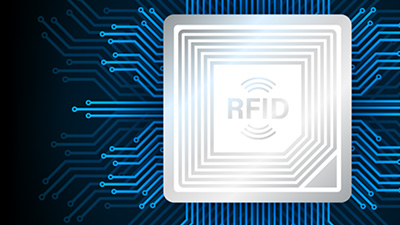
RFID (Radio Frequency Identification) adalah teknologi yang menggunakan sinyal radio untuk secara otomatis mengidentifikasi objek dan memperoleh data terkait. Dibandingkan dengan kode QR tradisional atau label kertas, RFID menawarkan beberapa keunggulan, termasuk identifikasi tanpa kontak, kecepatan pembacaan yang cepat, penyimpanan data yang dapat diperbarui, dan daya tahan yang lebih besar.
Dalam industri hewan peliharaan, RFID umumnya digunakan dalam bentuk "mikrochip hewan peliharaan." Chip ini sangat kecil—biasanya seukuran butir beras—dan dapat ditanam di bawah kulit hewan peliharaan menggunakan alat suntik khusus. Setiap chip berisi kode identifikasi unik secara global, yang pada dasarnya berfungsi sebagai "kartu identitas elektronik" hewan peliharaan.
Ketika hewan peliharaan melewati pembaca RFID, sistem dapat mengambil informasi chip dan menghubungkannya ke profil hewan peliharaan tersebut, termasuk:
Nama panggilan
Ras dan usia
Informasi kontak pemilik
Catatan vaksinasi
Riwayat medis
Rincian pendaftaran
Status pengebirian atau sterilisasi
Manajemen identitas digital ini sangat meningkatkan efisiensi pengelolaan hewan peliharaan.
Metode identifikasi hewan peliharaan tradisional biasanya bergantung pada kalung, tanda pengenal, atau sertifikat kertas, tetapi metode ini memiliki keterbatasan yang jelas:
Kalung bisa lepas
Label mungkin akan aus
Informasi bisa hilang
Verifikasi manual tidak efisien.
Dengan chip mikro RFID yang ditanam di bawah kulit, informasi identifikasi tidak dapat dengan mudah hilang atau dimanipulasi.
Sebagai contoh, di klinik hewan, dokter dapat dengan mudah memindai chip RFID untuk langsung mengakses profil medis lengkap hewan peliharaan, sehingga mengurangi risiko vaksinasi berulang atau kesalahan pengobatan yang disebabkan oleh informasi yang hilang.
Bagi rumah tangga dengan banyak hewan peliharaan, RFID juga mencegah kebingungan identitas. Terutama untuk hewan peliharaan dengan penampilan yang serupa, chip RFID memungkinkan identifikasi yang cepat dan akurat selama penitipan, perawatan, atau perawatan medis.
Saat ini, banyak negara telah menerapkan sistem registrasi elektronik hewan peliharaan. Nomor mikrochip dapat dihubungkan ke basis data terpusat, memungkinkan staf untuk dengan cepat menghubungi pemilik jika hewan peliharaan hilang.
Salah satu kekhawatiran terbesar bagi pemilik hewan peliharaan adalah kehilangan hewan peliharaan mereka.
Kucing mungkin kabur setelah ketakutan, anjing mungkin lepas saat berjalan-jalan, dan hewan peliharaan dapat secara tidak sengaja kabur saat diangkut. Setelah hilang, hanya mengandalkan poster atau unggahan media sosial seringkali menghasilkan tingkat pemulihan yang rendah.
Teknologi RFID memberikan solusi baru untuk pemulihan hewan peliharaan.
Jika hewan peliharaan yang hilang ditemukan oleh orang yang baik hati yang lewat, klinik hewan, atau organisasi penyelamat hewan, chip tersebut dapat dipindai untuk segera mendapatkan informasi kontak pemiliknya.
Dibandingkan dengan tag tradisional yang mungkin memudar atau rusak, chip RFID jauh lebih andal dan tahan lama.
Banyak kota mempromosikan sistem registrasi hewan peliharaan elektronik. Data mikrocip hewan peliharaan dapat dihubungkan ke platform terpusat untuk:
Pendaftaran hewan peliharaan
Manajemen vaksinasi
Pelaporan hewan peliharaan hilang
Verifikasi pemilik
Berbagi informasi tentang tempat penampungan
Ini berarti bahwa setiap kali hewan peliharaan dipindai oleh organisasi yang terhubung, ada kemungkinan identitasnya cocok.
Meskipun RFID standar itu sendiri tidak menyediakan penentuan posisi GPS secara real-time, ia dapat bekerja sama dengan kalung pintar, perangkat Bluetooth, dan sistem akses komunitas.
Misalnya:
Sistem kontrol akses hewan peliharaan otomatis di lingkungan perumahan.
Pelacakan aktivitas hewan peliharaan
Sistem check-in otomatis di toko hewan peliharaan
Sistem otorisasi pintu hewan peliharaan pintar
Beberapa solusi canggih bahkan menggabungkan teknologi GPS dan RFID untuk menyediakan identifikasi dan pelacakan lokasi sekaligus.
Industri kedokteran hewan juga mengalami transformasi digital dengan cepat.
Secara tradisional, klinik hewan sangat bergantung pada sistem pendaftaran manual, yang sering kali menyebabkan:
Kesulitan dalam penyimpanan rekam medis.
Entri data berulang
Riwayat medis yang tidak lengkap
Waktu tunggu yang lama selama jam sibuk.
Setelah memperkenalkan teknologi RFID, klinik dapat mencapai operasional yang lebih cerdas dan efisien.
Pemindaian sederhana pada chip memungkinkan dokter hewan untuk langsung mengakses profil hewan peliharaan, sehingga meningkatkan efisiensi konsultasi.
Sistem ini dapat merekam secara otomatis:
Jadwal vaksinasi
Tanggal pemberian obat cacing
Riwayat pengobatan
Catatan bedah
Hal ini membantu menghindari perawatan yang terlewat dan prosedur yang berulang.
Rumah sakit hewan dan fasilitas penitipan hewan peliharaan dapat menggunakan gelang RFID, label kandang, atau sistem pelacakan untuk memantau lokasi dan kondisi hewan peliharaan, sehingga mengurangi kesalahan manajemen.
Seiring dengan terus berkembangnya komunitas cerdas, pengelolaan hewan peliharaan juga menjadi semakin cerdas.
Beberapa komunitas perumahan modern telah mulai mengadopsi hal-hal berikut:
Sistem kontrol akses hewan peliharaan RFID
Sistem pengenalan lift hewan peliharaan
Pengelolaan area jalan-jalan anjing yang cerdas
Sistem pelacakan aktivitas hewan peliharaan
Sebagai contoh, pembaca RFID yang dipasang di pintu masuk komunitas dapat secara otomatis memverifikasi apakah hewan peliharaan yang terdaftar telah menyelesaikan vaksinasi yang diperlukan, sehingga membantu meningkatkan manajemen kesehatan masyarakat.
Bagi perusahaan manajemen properti, hal ini juga mengurangi masalah yang melibatkan hewan liar dan perselisihan terkait hewan peliharaan.
Teknologi RFID tidak hanya mentransformasi manajemen hewan peliharaan tetapi juga mendorong peningkatan digital di seluruh industri hewan peliharaan.
Saat ini, RFID secara bertahap diterapkan pada:
Perusahaan asuransi dapat memverifikasi identitas hewan peliharaan melalui chip RFID, sehingga mengurangi risiko penipuan.
RFID dapat digunakan untuk check-in otomatis dan verifikasi identitas selama acara hewan peliharaan.
Para peternak dapat melacak silsilah, catatan vaksinasi, dan informasi perkembangbiakan dengan lebih efisien.
Beberapa alat pemberi makan pintar, pintu hewan peliharaan, dan dispenser air otomatis sudah mendukung pengenalan RFID untuk manajemen yang dipersonalisasi.
Sebagai contoh, di rumah tangga dengan beberapa kucing, rencana pemberian makan yang berbeda dapat ditetapkan berdasarkan identitas RFID masing-masing kucing.
Banyak pemilik hewan peliharaan khawatir apakah penanaman microchip dapat membahayakan hewan peliharaan mereka.
Faktanya, teknologi chip RFID untuk hewan peliharaan sudah sangat matang. Chip tersebut biasanya disegel dengan bahan biokompatibel, dan proses implantasinya mirip dengan suntikan standar dan hanya membutuhkan beberapa detik.
Chip itu sendiri tidak memerlukan baterai dan tidak terus-menerus memancarkan sinyal. Chip hanya aktif saat dipindai oleh pembaca, sehingga sangat aman.
Di seluruh dunia, jutaan hewan peliharaan telah dipasangi mikrocip, menjadikan RFID sebagai standar penting untuk identifikasi dan pengelolaan hewan peliharaan.
Tentu saja, implantasi harus selalu dilakukan oleh tenaga profesional kedokteran hewan yang berkualifikasi atau lembaga yang bersertifikasi.
Bagi pemilik hewan peliharaan, ketenangan pikiran selalu menjadi hal yang terpenting.
Meskipun teknologi RFID tidak dapat sepenuhnya mencegah hewan peliharaan hilang, teknologi ini secara signifikan meningkatkan peluang pemulihan dan memberikan manajemen identitas yang lebih andal.
Mulai dari pendaftaran hewan peliharaan dan perawatan medis hingga manajemen komunitas cerdas dan integrasi perangkat pintar, RFID membantu membangun ekosistem hewan peliharaan pintar yang lebih lengkap.
Di masa depan, seiring dengan terus berkembangnya IoT, kecerdasan buatan, dan teknologi yang dapat dikenakan, RFID akan semakin terintegrasi dengan teknologi canggih, mengubah manajemen hewan peliharaan dari praktik berbasis pengalaman menjadi sistem yang sepenuhnya digital.
Pada akhirnya, yang dicapai adalah:
“Setiap hewan peliharaan memiliki identitas, setiap catatan dapat dilacak, hewan peliharaan yang hilang dapat ditemukan kembali, dan perawatan menjadi lebih aman dan cerdas.”

Informasi detail dan PDF

Kontak email dukungan.

Bimbingan teknis profesional.

Kontak email dukungan.



LINK

YouTube



 IPv6 DIDUKUNG JARINGAN
Tinggalkan pesan
Pindai dan kirim ke WeChat/WhatsApp :