
Tinggalkan pesan
Jika Anda tertarik dengan produk kami dan ingin mengetahui detail lebih lanjut, silakan tinggalkan pesan di sini, kami akan membalas Anda sesegera mungkin.



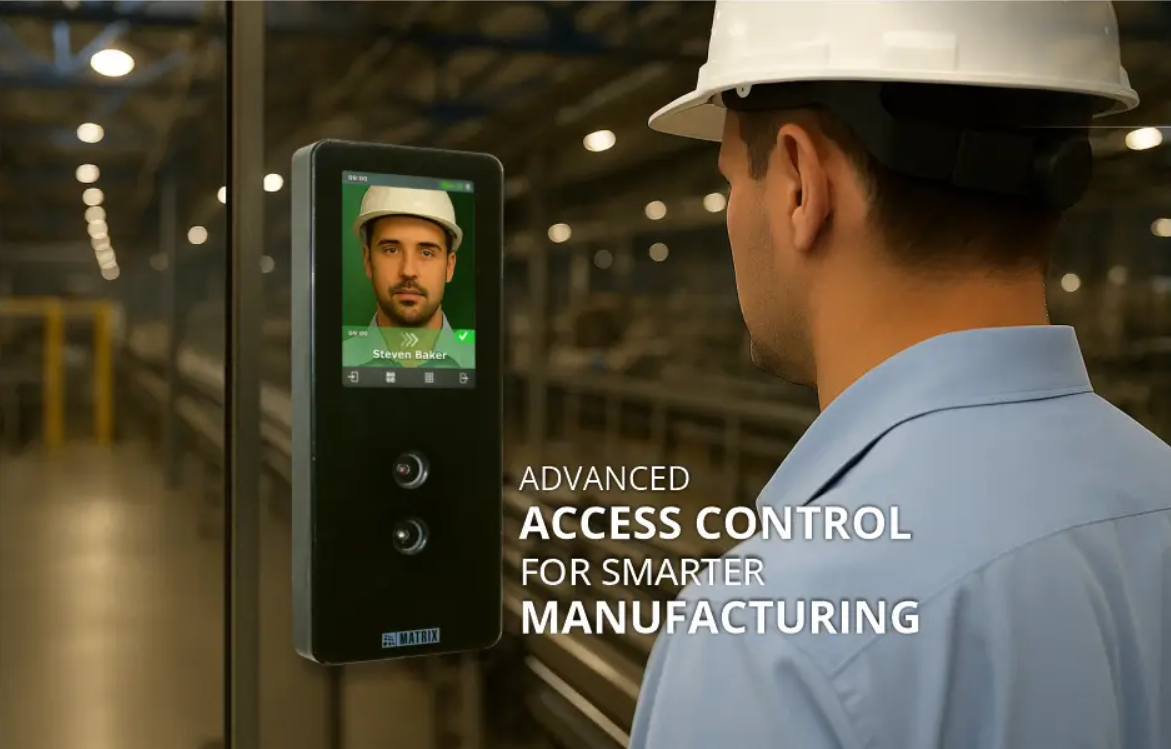
Peningkatan Kontrol Personel Pabrik: RFID Memungkinkan Pelacakan Akses Otomatis dan Manajemen Izin Area yang Lebih Detail
Dengan kemajuan berkelanjutan transformasi digital di bidang manufaktur, manajemen pabrik berevolusi dari operasi berbasis pengalaman menjadi manajemen berbasis data yang lebih canggih. Di antara semua aspek manajemen, pengendalian personel berfungsi sebagai penghubung penting yang menghubungkan keselamatan, efisiensi, dan kepatuhan, dan menjadi fokus utama untuk peningkatan perusahaan. Metode tradisional seperti registrasi manual atau akses berbasis kartu tidak hanya tidak efisien tetapi juga rentan terhadap ketidakakuratan, sehingga semakin tidak memadai untuk pabrik modern yang membutuhkan visibilitas dan ketertelusuran secara real-time.
Pengenalan teknologi RFID (Radio Frequency Identification) memberikan solusi yang lebih efisien dan andal untuk manajemen personalia. Dengan melengkapi karyawan dengan tag berkemampuan RFID—seperti lencana identitas atau gelang tangan—dan memasang pembaca di titik masuk utama dan area terkontrol, sistem dapat secara otomatis mengidentifikasi individu tanpa intervensi manual. Pendekatan "tanpa campur tangan manusia" ini mengubah manajemen personalia dari pencatatan pasif menjadi penginderaan aktif, sehingga secara signifikan meningkatkan efisiensi operasional.
Dalam hal manajemen akses, RFID memungkinkan pelacakan masuk dan keluar yang sepenuhnya otomatis. Karyawan dapat melewati gerbang pabrik atau pintu masuk bengkel tanpa berhenti untuk menggesek kartu, karena sistem mencatat identitas dan stempel waktu secara instan. Dibandingkan dengan metode tradisional, pengumpulan data otomatis ini menghilangkan masalah seperti pencatatan yang terlewat atau penggunaan kartu oleh pihak ketiga, sekaligus mengurangi kemacetan selama jam sibuk. Semua data disinkronkan ke sistem backend secara real-time, memberikan dukungan akurat untuk pelacakan kehadiran dan analisis tenaga kerja, dan pada akhirnya mengurangi biaya tenaga kerja.
Dalam hal kontrol akses berbasis area, RFID menunjukkan fleksibilitas dan presisi yang kuat. Pabrik modern biasanya terdiri dari beberapa zona fungsional, termasuk jalur produksi, gudang, ruang kontrol, dan area berisiko tinggi, yang masing-masing membutuhkan tingkat akses yang berbeda. Dengan RFID, perusahaan dapat menentukan izin yang berbeda berdasarkan peran, tanggung jawab, dan tingkat keamanan karyawan. Ketika seseorang memasuki area tertentu, sistem secara otomatis memverifikasi apakah hak akses mereka valid. Jika tidak, sistem dapat memicu peringatan atau menolak masuk, sehingga secara efektif mencegah akses tanpa izin dan risiko operasional.
Selain itu, RFID dapat diintegrasikan dengan teknologi penentuan posisi untuk memungkinkan pelacakan personel secara real-time dan analisis pergerakan. Manajer dapat memantau distribusi personel di berbagai area dan meninjau jalur pergerakan historis untuk mengoptimalkan alur kerja atau menyelidiki anomali. Kemampuan ini sangat penting dalam skenario manajemen keselamatan. Misalnya, dalam keadaan darurat, sistem dapat dengan cepat mengidentifikasi jumlah dan lokasi personel di lokasi, memberikan data penting untuk operasi evakuasi dan penyelamatan, serta sangat meningkatkan efisiensi respons.
Dari perspektif yang lebih luas, nilai sistem RFID melampaui pengumpulan data hingga pemanfaatan data. Dengan terus mengumpulkan data seperti log akses, kunjungan area, dan waktu tinggal, perusahaan dapat membangun basis data perilaku personel yang komprehensif. Melalui analisis data, organisasi dapat mengoptimalkan penjadwalan shift, meningkatkan alur kerja operasional, mengidentifikasi potensi risiko keselamatan, dan meningkatkan produktivitas secara keseluruhan. Dengan cara ini, manajemen personel berkembang dari sekadar alat pencatatan menjadi sistem pendukung keputusan strategis.
Dalam praktiknya, sistem kontrol personel berbasis RFID telah banyak diadopsi di berbagai industri seperti manufaktur, energi, kimia, dan logistik. Keunggulannya sangat terlihat di lingkungan dengan persyaratan keamanan tinggi atau pergerakan personel yang sering. Dengan membangun kerangka manajemen tiga dimensi berdasarkan "personel, lokasi, dan waktu," perusahaan dapat meningkatkan keamanan sekaligus mencapai efisiensi operasional yang lebih tinggi tanpa meningkatkan kompleksitas manajemen.
Tentu saja, implementasi yang sukses membutuhkan perencanaan yang cermat. Penempatan pembaca harus memastikan cakupan penuh titik masuk kritis dan area kunci. Pemilihan tag harus mempertimbangkan faktor lingkungan seperti interferensi logam, paparan air, atau suhu tinggi. Integrasi sistem dengan platform yang ada seperti ERP atau MES juga penting untuk menciptakan ekosistem data yang terpadu. Selain itu, seiring bertambahnya volume data, keamanan informasi dan perlindungan privasi harus diprioritaskan.
Ke depan, seiring dengan terus berkembangnya teknologi IoT dan kecerdasan buatan, aplikasi RFID dalam manajemen personalia akan menjadi semakin canggih. Misalnya, integrasi dengan pengawasan video dapat menggabungkan verifikasi identitas dengan analisis perilaku, sementara teknologi kembaran digital (digital twin) dapat memungkinkan pemetaan virtual aktivitas personalia secara real-time. Di pabrik pintar masa depan, RFID akan memainkan peran yang semakin penting sebagai sumber data dasar untuk sistem pengambilan keputusan otonom.
Secara keseluruhan, RFID mengubah logika dasar manajemen personel pabrik. Teknologi ini tidak hanya mengatasi inefisiensi dan ketidakakuratan metode tradisional, tetapi juga memberdayakan perusahaan dengan kemampuan optimasi berbasis data. Di era manufaktur cerdas, sistem kontrol personel berbasis RFID bukan lagi sekadar alat bantu—melainkan infrastruktur penting untuk mencapai operasi pabrik yang aman, efisien, dan cerdas.

Informasi detail dan PDF

Kontak email dukungan.

Bimbingan teknis profesional.

Kontak email dukungan.



LINK

YouTube



 IPv6 DIDUKUNG JARINGAN
Tinggalkan pesan
Pindai dan kirim ke WeChat/WhatsApp :